Wastewater, water supply and waste handling for one site — from one manufacturer.
One package covering the utilities a site needs when there is no municipal network to rely on — treatment, dewatering, incineration, water supply and pumping, scoped together and delivered together.
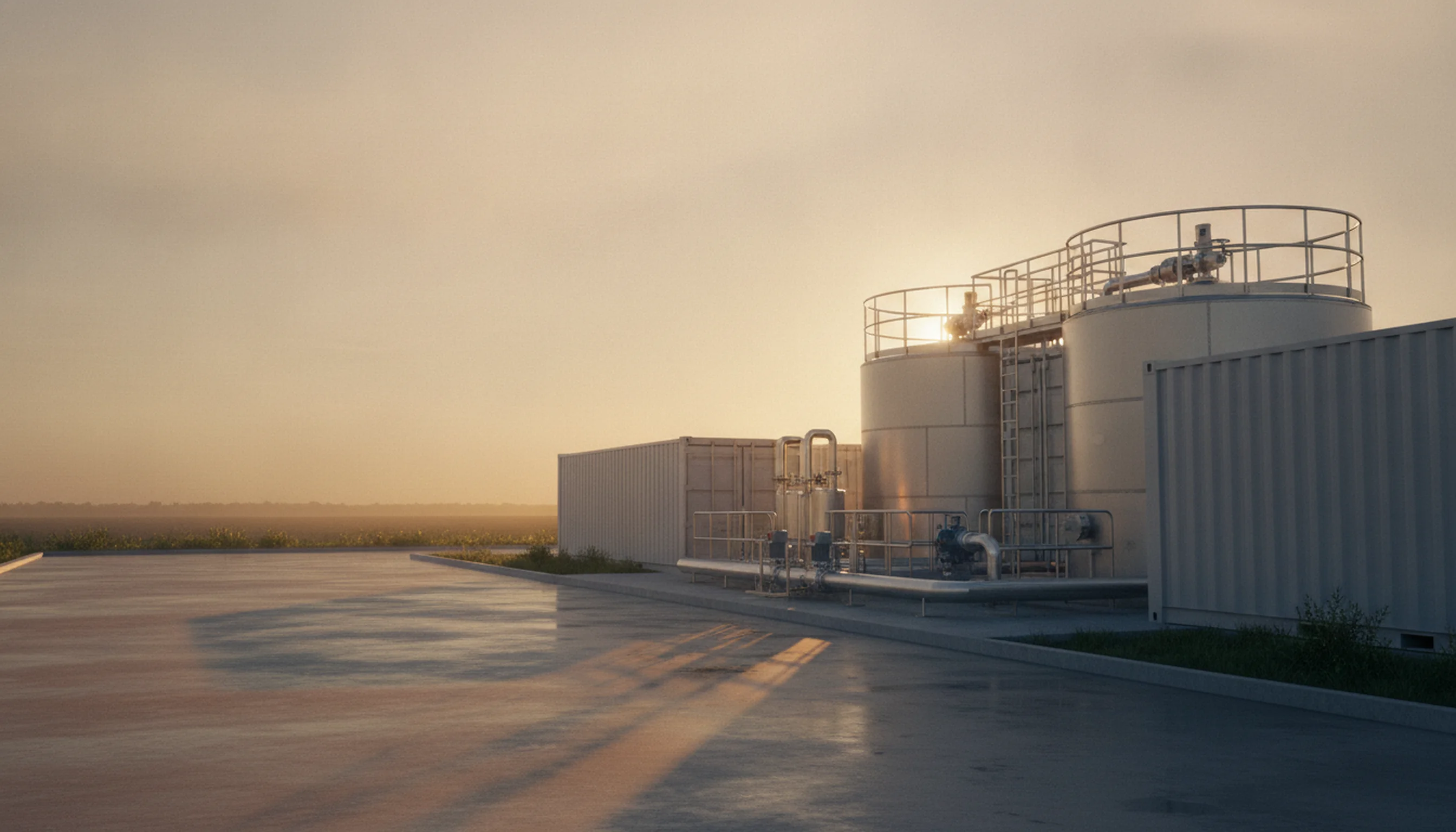
One site, four or five separate suppliers
Islands, remote camps, industrial parks and hospitals often sit outside the services a city takes for granted: no municipal sewer, no waste-collection route, and sometimes no assured supply of safe drinking water. The usual answer is to buy each utility from a different supplier — treatment from one, sludge handling from another, waste disposal from a third, water supply from a fourth, pumping from a fifth. Each unit is sized on its own, and the site is left to make them work together.
Interfaces designed apart
Sludge from the treatment plant has to suit the dewatering unit, and the cake it produces has to suit the disposal route — decisions taken by whoever owns each separate scope.
Delivery that drifts out of step
Separate suppliers ship in separate windows, so installation and commissioning on site wait on the last of them to arrive.
Responsibility that moves between suppliers
When a unit underperforms, the cause often sits at the boundary between two scopes, and neither supplier owns the boundary.
Coordination cost carried by the site
Separate foundations, separate power supplies and separate commissioning visits all land on the same small site team.
What one package covers
Five duties of a site without a municipal network. Scoped as one package, the interfaces between them are fixed in one place instead of negotiated on site.
Wastewater treatment
Containerized sewage treatment plants and integrated MBR units for domestic and process wastewater, sized to your flow and discharge standard.
Sludge dewatering
Screw presses and belt filter presses that turn surplus sludge into a handleable cake for the disposal or reuse route you have.
Waste incineration
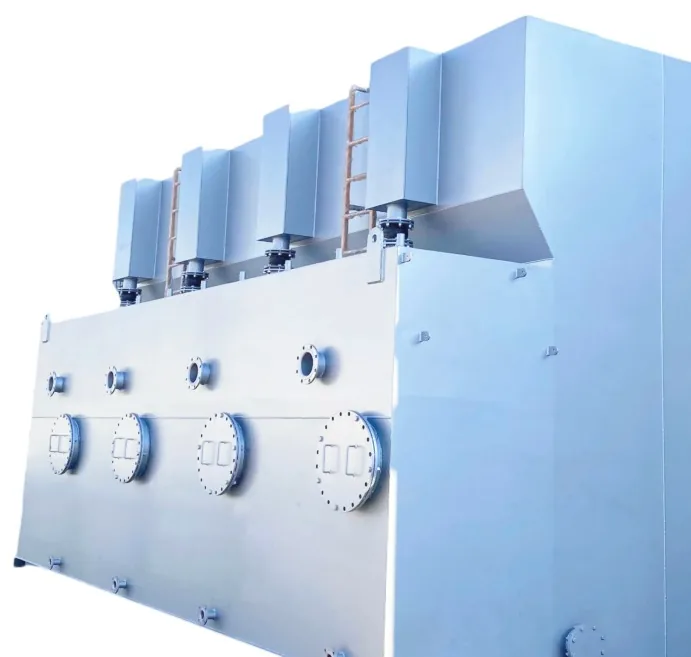
Medical and solid waste incinerators with dry, wet or basic flue-gas purification, for sites with no waste-collection service.
Water supply and purification
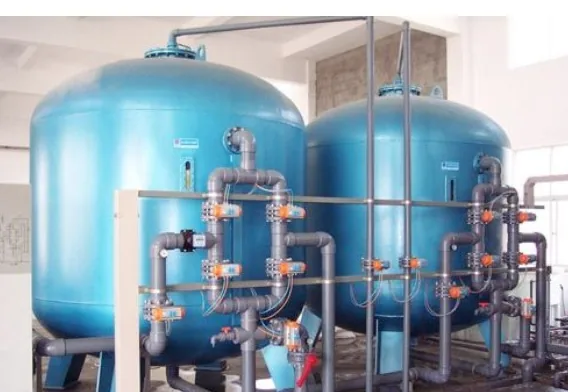
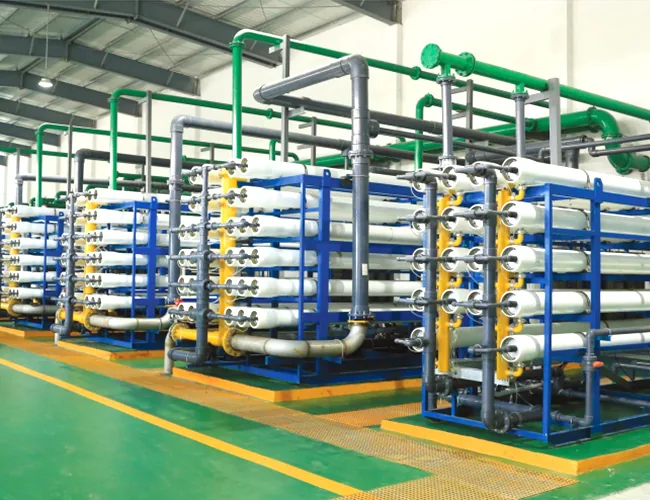
Integrated water purification units and multi-media filtration, for sites where the water source, or its quality, cannot be relied on.
Pumping
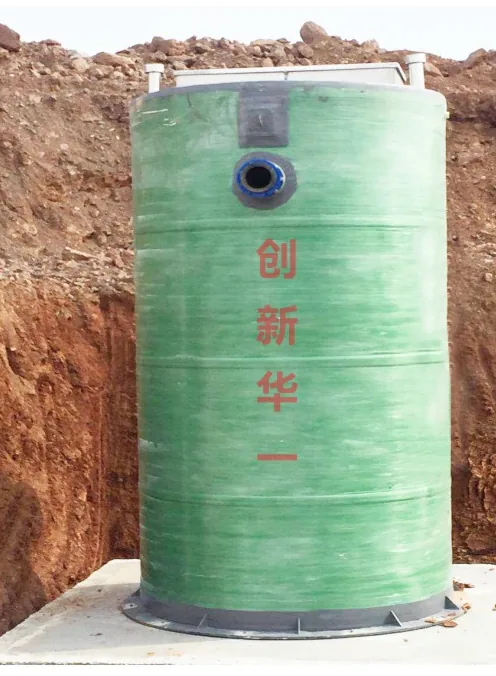
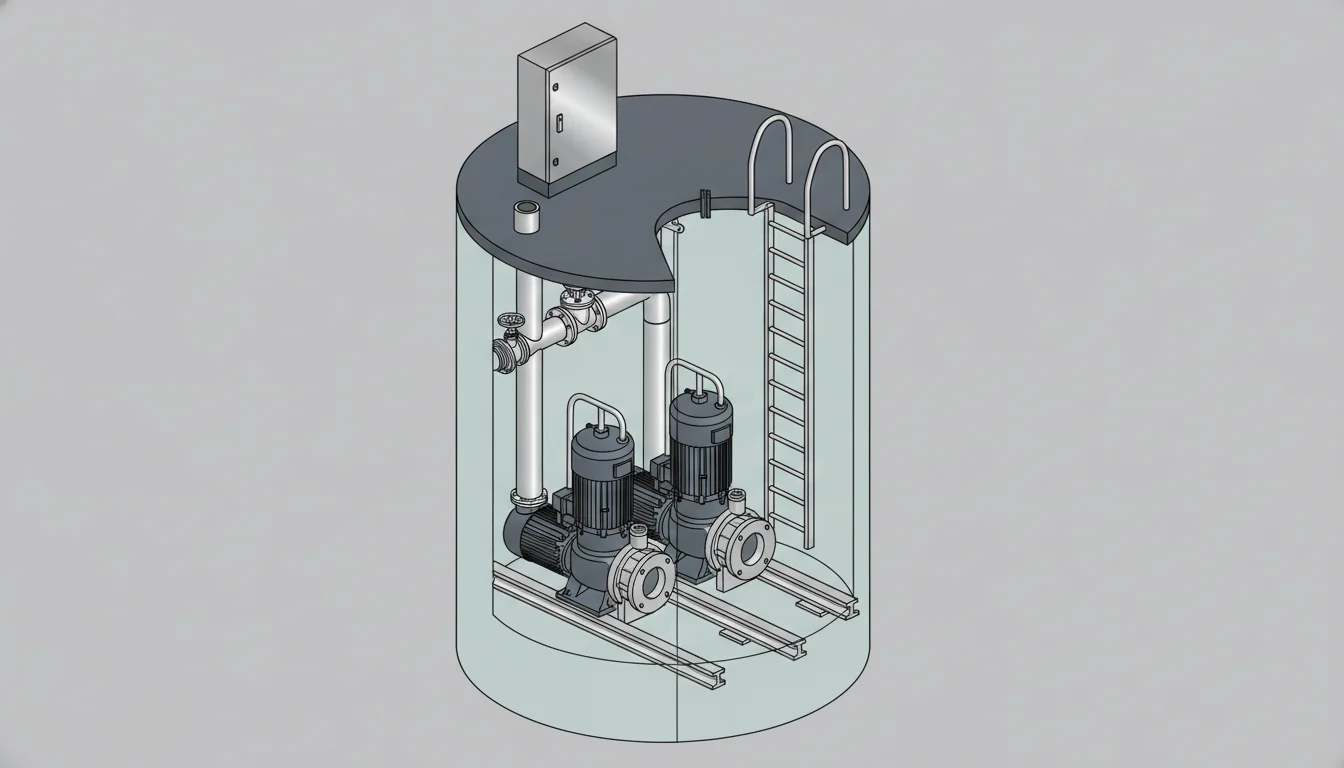
Integrated pump stations that move water, wastewater and sludge between the units of the package and across the site.
Who it is for
The package is built for sites that have to provide their own utility services, whatever the reason.
Islands and resorts
coastal and island properties that cannot wait for a central sewer or a waste-collection route.
Remote camps
construction, mining and oil & gas camps with a temporary population and no municipal services.
Industrial parks
estates and stand-alone plants that treat their own wastewater and handle their own waste.
Hospitals and clinics
facilities where both the effluent and the medical waste have to be dealt with on site.
Municipalities and communities
towns, villages and housing developments served by no central network.
How we scope a package
One input list becomes one package specification and one coordinated delivery plan. Send what you already have; we will tell you what is still missing before anything is sized.
- ✓ Site location and access
- ✓ Population and design flow (m³/day)
- ✓ Waste types and daily volume
- ✓ Water demand
- ✓ Discharge or reuse standard
- ✓ Power supply
- ✓ Delivery route
Package specification parameters
Values are confirmed against the actual build for each project.
| Wastewater treatment capacity | 0.5–15 m³/h (12–360 m³/day) per unit |
| Water supply capacity | 20–80 m³/h across the integrated water purifier range |
| Sludge throughput | 4–50 m³/h across the dewatering range |
| Waste incineration capacity | 50–100 kg/h to 400–500 kg/h |
| Container count and arrangement | [to be confirmed with factory] |
| Power supply | [to be confirmed with factory] |
| Delivery and installation schedule | [to be confirmed with factory] |
Why one package
Single point of responsibility
One scope covers every utility on the site, so one party answers for the interfaces between them.
Matched capacities
Treatment capacity, sludge output and dewatering throughput are sized against one another rather than guessed separately.
Combined container planning
Equipment for all the duties is planned into one loading arrangement, which reduces the number of shipments and the site work that waits on them.
One documentation set
Drawings, specifications and export documents are issued as one set covering the whole package.
One after-sales contact
Spare parts, technical questions and service support come through a single channel instead of several.
Delivery and commissioning
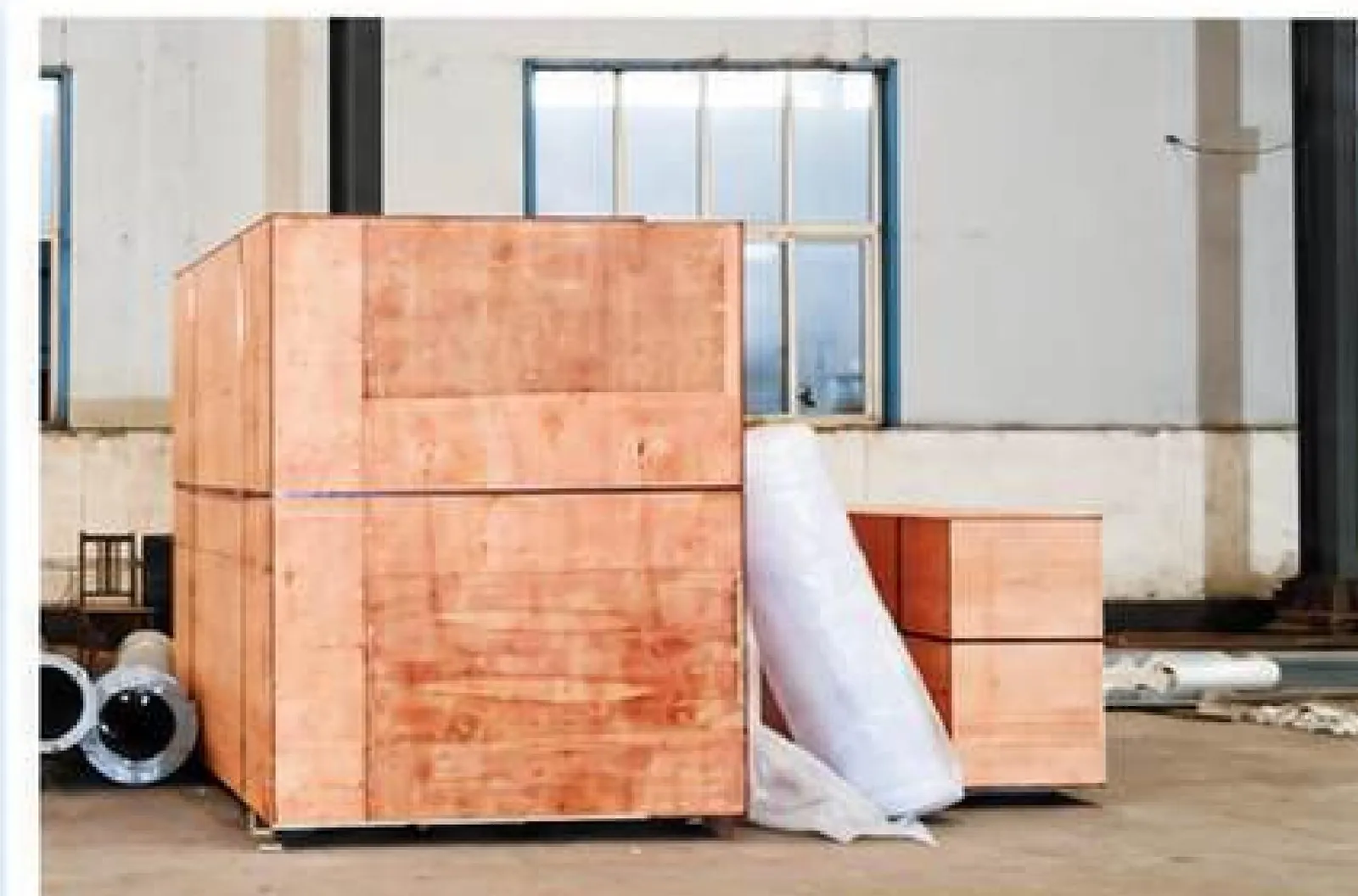
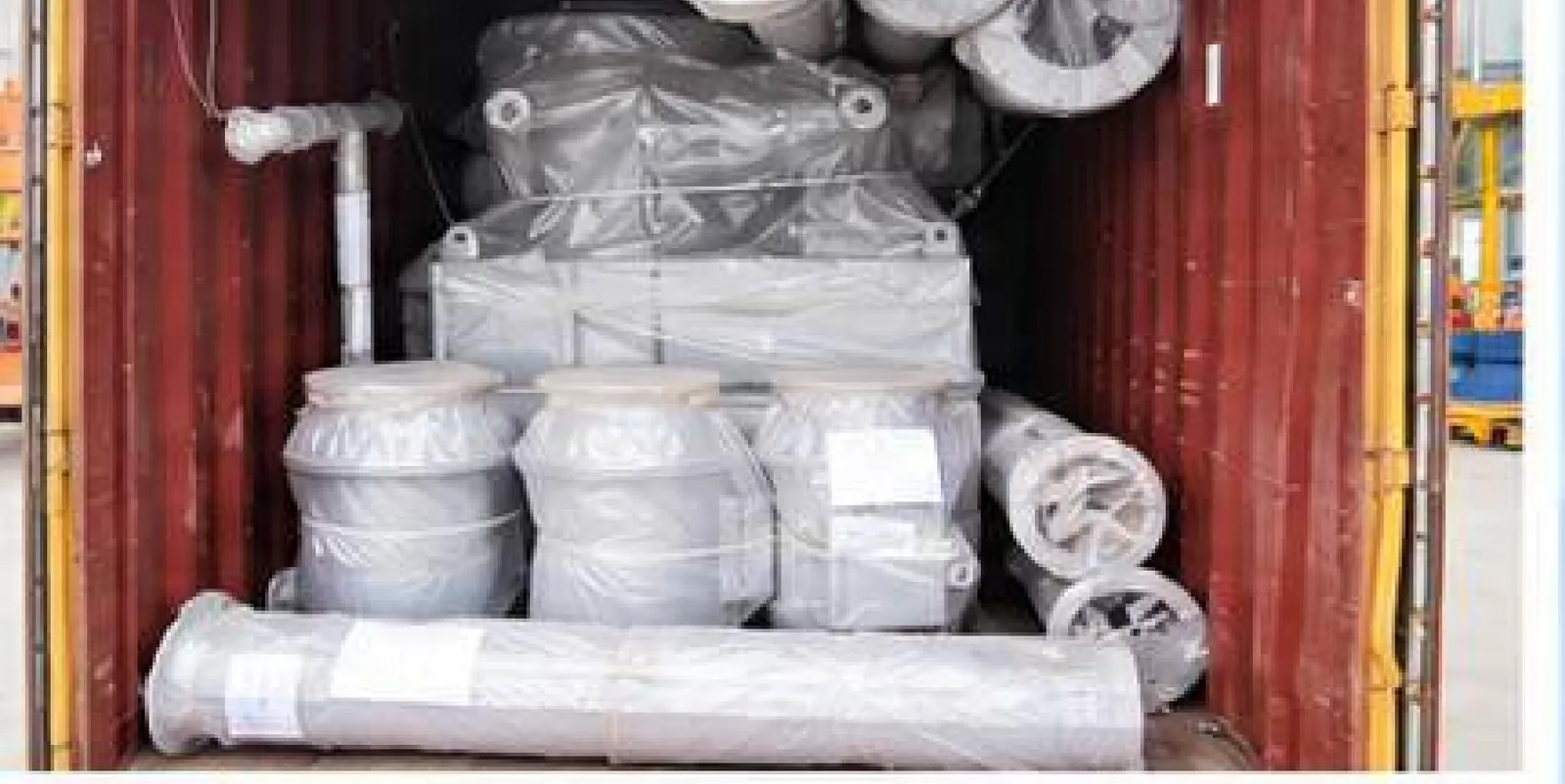
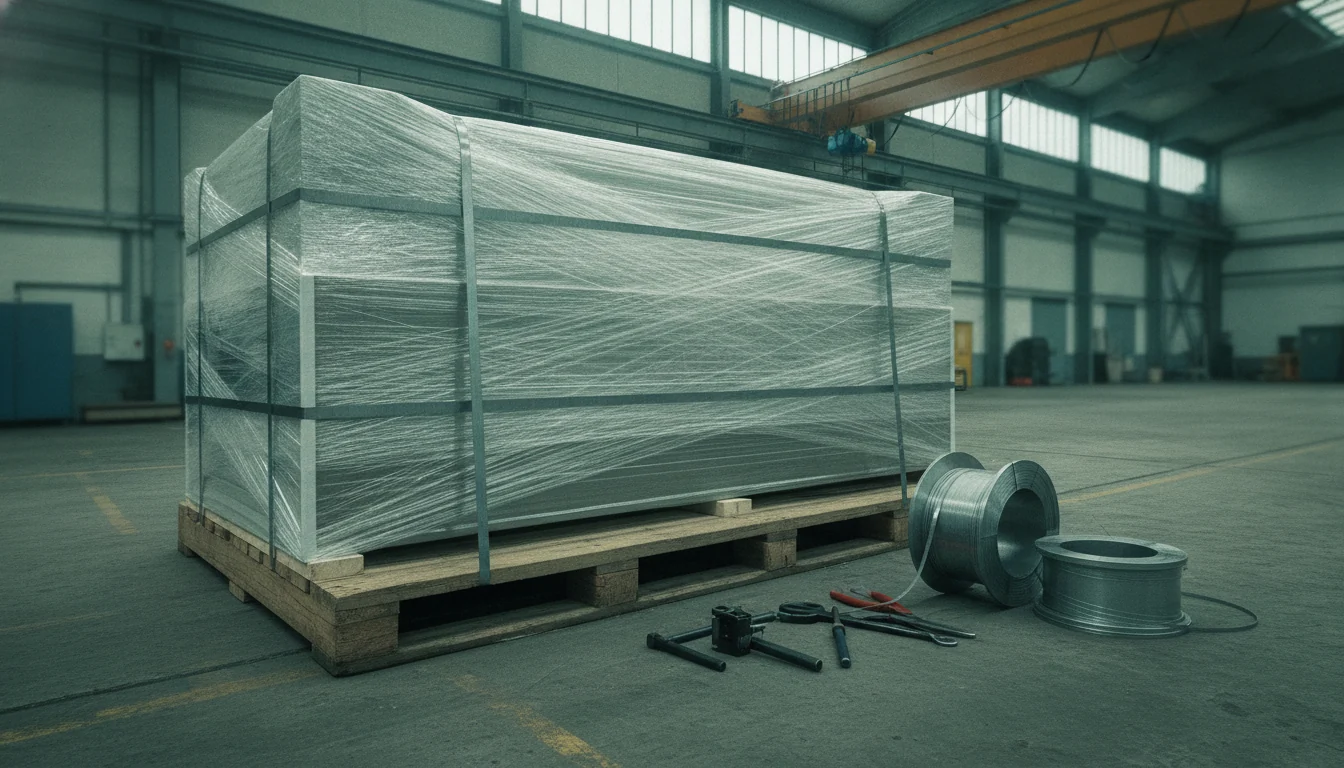
The package is planned as a container shipment and commissioned on site, with the units arriving as complete assemblies for connection and start-up. Loading arrangement, container count and delivery schedule: [to be confirmed with factory].